2026 Study Notes
The Off-Platform Edition
Happy new year everyone! Looking forward to a great year of Off-Platform - I’ve got a very long list of companies, platforms, business models and interesting things in the tech world I want to write about in 2026.
But before I get into that, I want to share what I call study notes. I keep a running list of things I find interesting, and while reviewing it last week, I realized that most of them are likely super relevant for this year. So while I wouldn’t call these predictions, they represent a few select themes I believe will continue to develop in the next 12 months.
1) APIs close shop
I hinted at this in an earlier piece I wrote on AI orchestration, and we even saw signs of it through the year. Salesforce shut down most API access into Slack, Cloudflare declared that it would now allow customers to gate content from AI crawlers, and Reddit, Meta, X, Datadog and Wikipedia have all taken steps to severely limit API access for other tools looking to access their services or content.
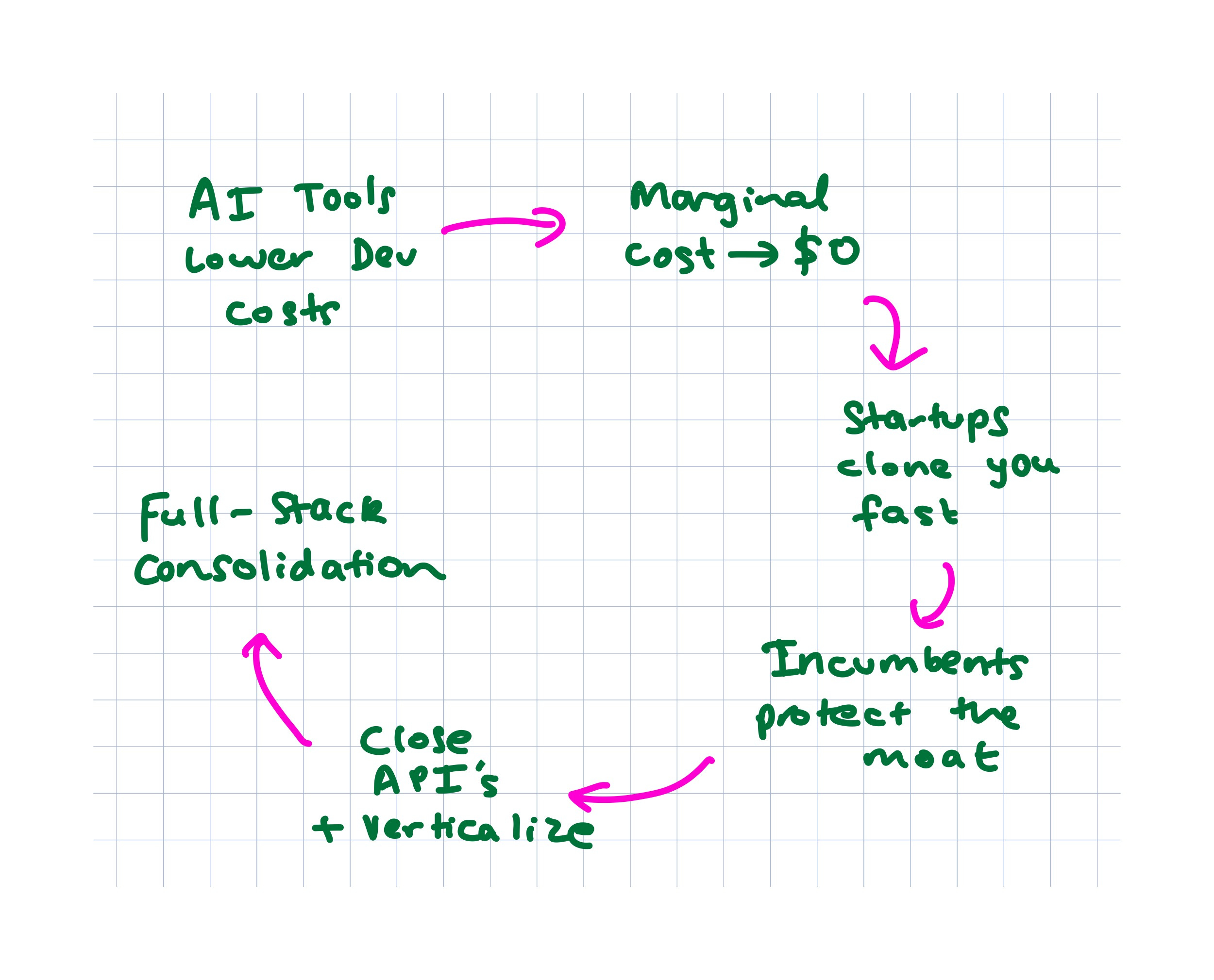
There’s a pretty clear reason for this: the pace of software development, thanks to AI tools, is accelerating, and the marginal cost of competing with an incumbent in any category is driving to zero. Why would Salesforce allow anyone, even a series A startup, to compete using their data?
I expect the incumbents to clamp down even more in 2026. More companies, both large and small, will move to paid or permission-based models to protect their data assets, and at the same time, move towards a longer-term goal of offering a full-stack of services for their customers.
2) The (actual) agentic payments opportunity
While I don’t believe we will (yet) see consumers moving en masse to deploying personal agents for online shopping, the very real opportunity is for agents to make payments using stablecoins to navigate metered access to gated information.
Here’s an example of what that might look like: a Wall Street analyst uses an agent to automatically access rich market data APIs across dozens of providers. The agent can make micropayments for only the specific data points it needs for its analysis. The agent’s stablecoin wallet is prefunded with $1000 (=1000 USDC), and it automatically negotiates pay-per-query rates with multiple providers in real-time.
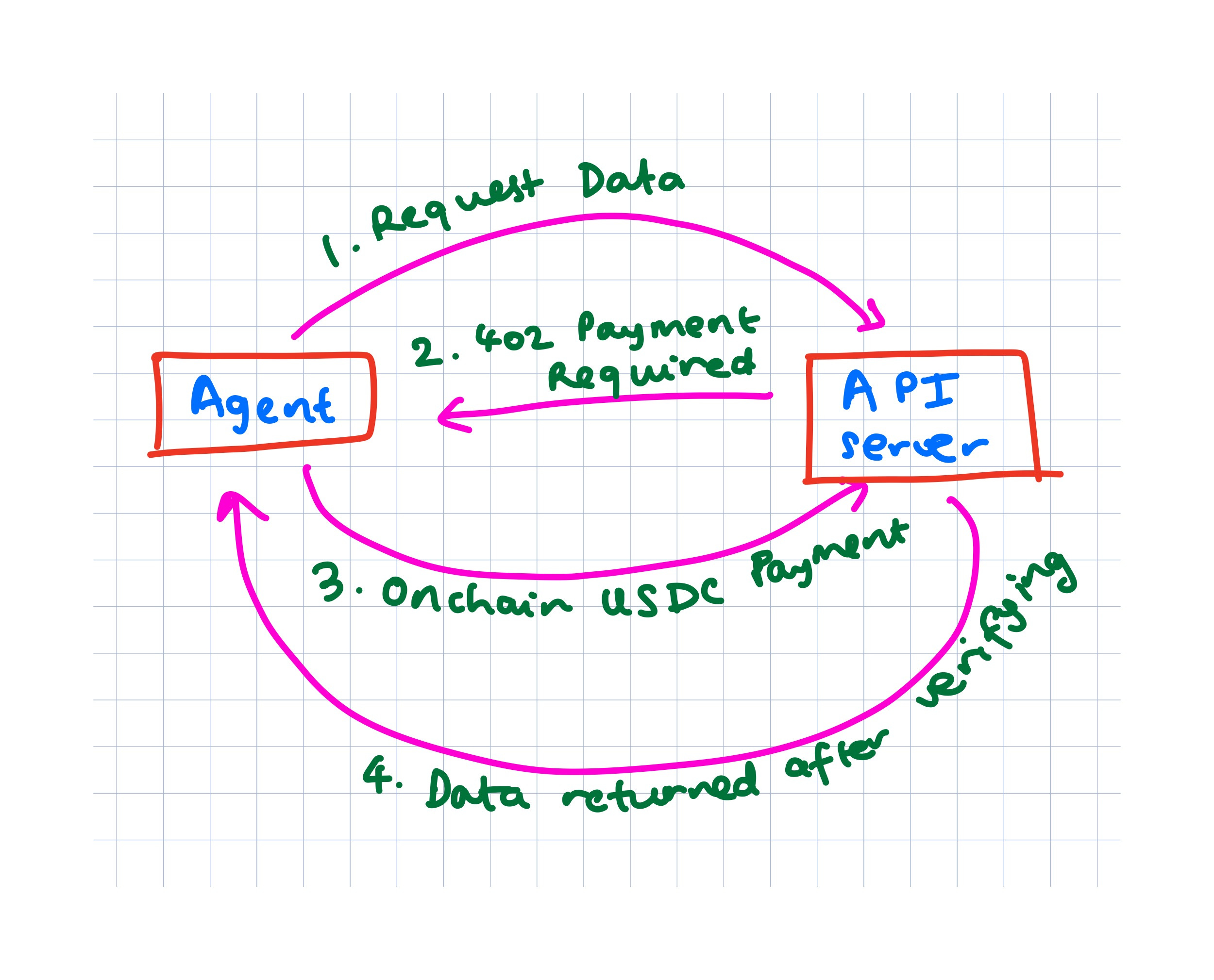
Stablecoins make these (micro) payments possible: they cost a fraction of a cent, settle almost instantly, have enough scale if you pick the right chain, and are first-class programmable primitives.
There are a few names to look out for in this space over the coming months: Google, who published the AP2 protocol, Coinbase, the author of x402, and Cloudflare, who have huge global distribution and will likely be the first tool many companies use to place their assets behind a paywall.
3) Prediction markets hit a roadblock
The most impressive piece of product marketing I’ve ever seen is how “internet gambling” rebranded itself to “prediction markets,” with spectacular success from Polymarket and Kalshi in 2025.
This makes sense: gambling has always been popular, and the new companies offer a slick, efficient way to bet on almost anything. Polymarket is likely the first consumer crypto app that has broken into pop culture to neatly abstract away the crypto.
Now, here’s a very interesting thought experiment: is insider trading a good or bad thing for prediction markets? There’s a great section in this piece from Business Insider that highlights this:
In an interview with Axios last year, Polymarket CEO Shayne Coplan said it's "cool" that his platform creates a financial incentive "for people to go and divulge the information to the market."
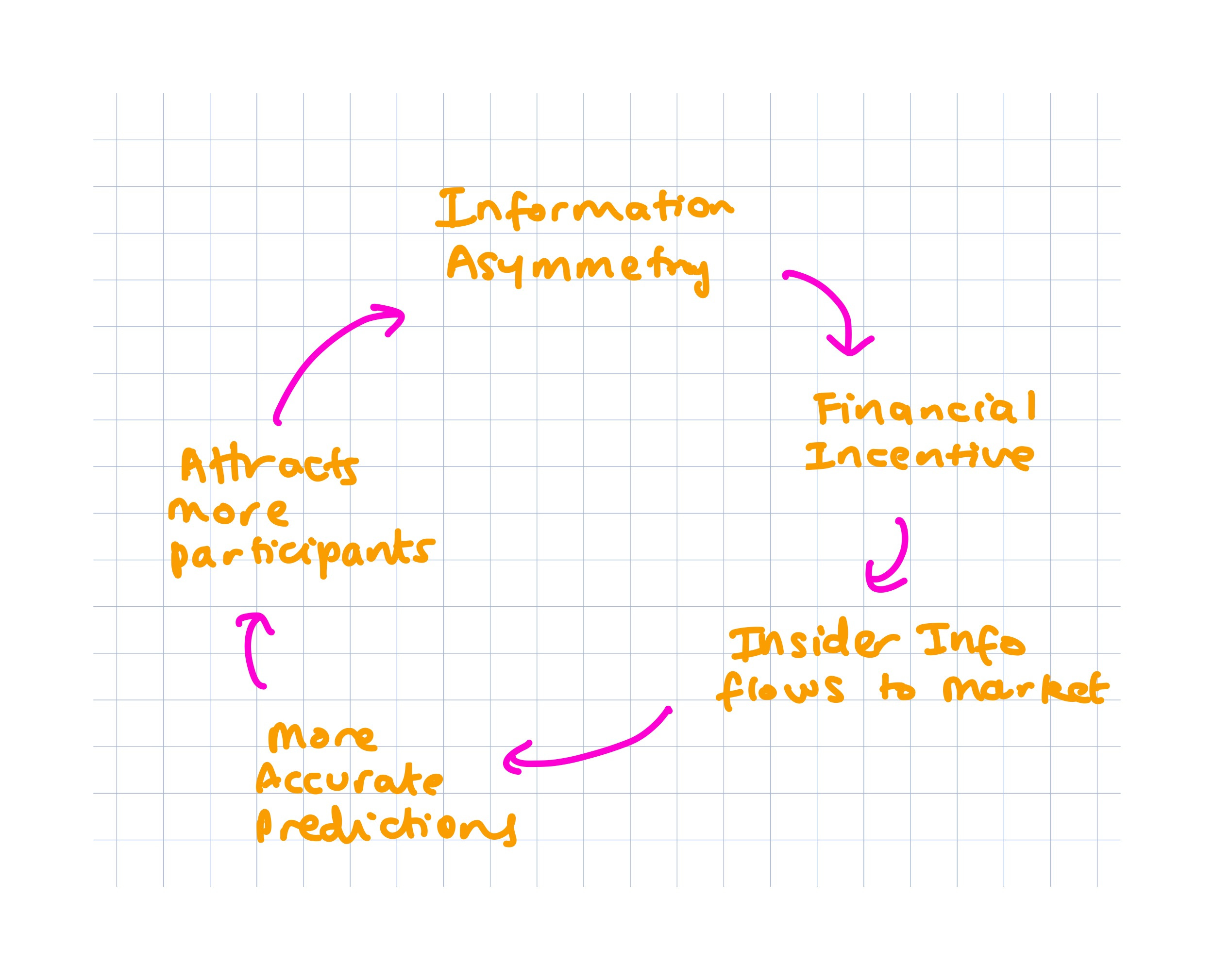
But too much conviction creates an impression of a rigged marketplace, and no one wants to participate: each individual prediction market still needs to offer participants the possibility of a grand payout on slim odds to keep them engaged.
In 2026, I expect two things to happen in this space:
Increased scrutiny from gambling regulators worldwide: Not every country will give Polymarket the favorable treatment the CFTC is affording them in the US. Polymarket is already blocked in Singapore, Australia, Switzerland, France, Poland, with more countries likely to follow as it becomes more popular.
The stakes get higher for sports betting: The large potential payouts on offer will result in a high-profile incident of match-fixing, most likely in an individual sport.
The risks of an athlete underperforming for an incentive have always existed. But Polymarket’s success and easy UX is juicing access to that market to a much wider audience meaning the payouts could get that much more lucrative. The best analogy for this is how Robinhood set out to democratize the brokerage industry.
4) Stablecoins embrace their platform destiny
This one will be familiar to most people I’ve spoken to about crypto. I’ve believed for a while now that there is enough infrastructure that’s performant for real-world use cases, and that this is a pivotal year for consumer crypto apps. In particular, I believe those apps will deploy stablecoins in new and innovative ways.
I think about stablecoins as powerful primitives that collapse an entire industry of legacy rails, like ACH, wire transfers, SWIFT, Visa, FedNow and others, into a single programmable unit. That programmable unit has the potential to become a building block to replace other legacy businesses previously built on money movement, like checking accounts, FX transfers, money market funds and credit. This is the new banking-as-a-service (BaaS) platform.
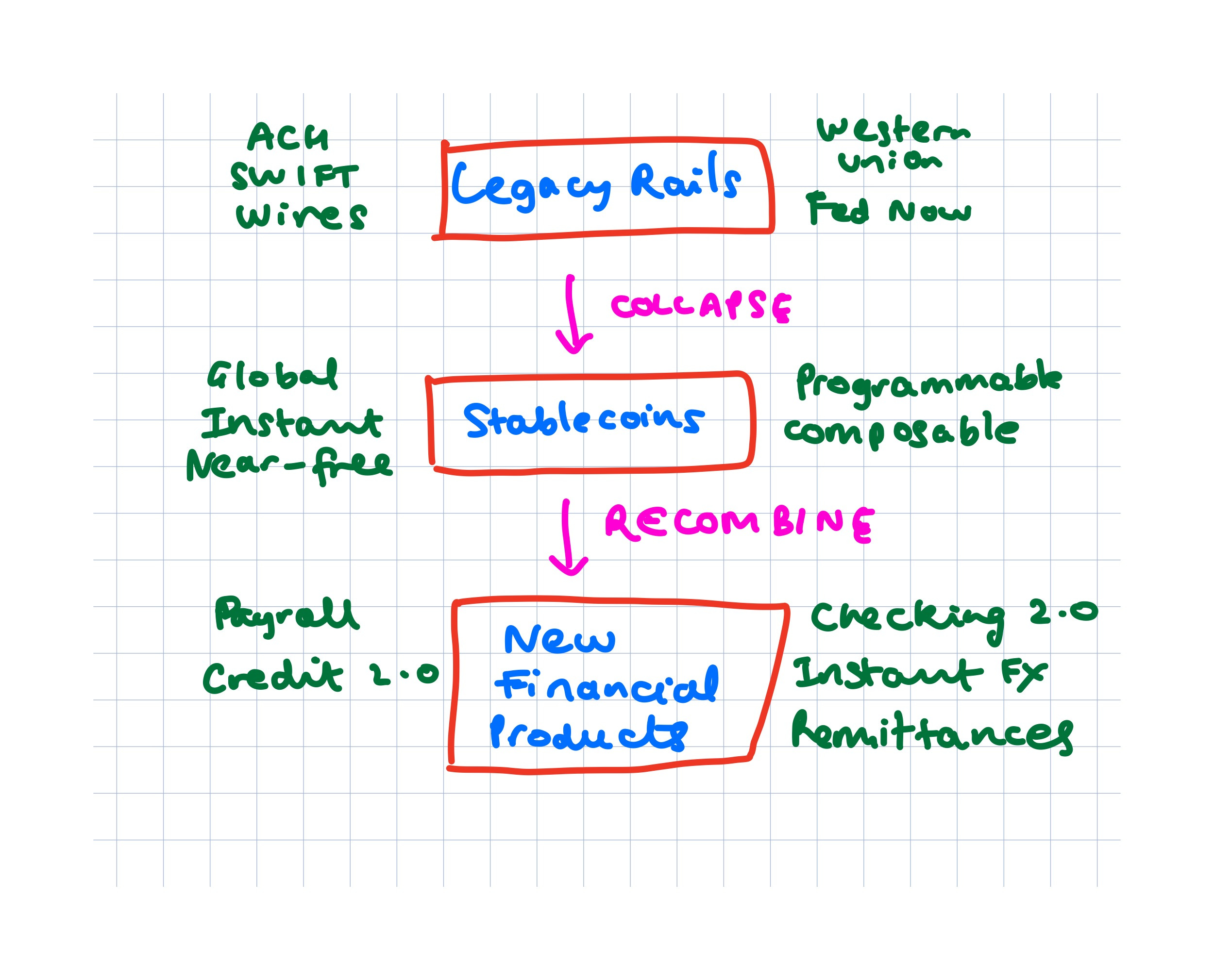
These new, stablecoin-powered experiences provide substantial consumer benefit: everything just works better and faster. The lower barrier to entry for new fintechs also means more competition, which drives down costs and accelerates innovation. The incumbents’ regulatory moats aren’t as relevant anymore. We’ll see this play out in 2026 as traditional financial institutions start integrating stablecoins into their offerings, or face displacement by nimbler competitors who are stablecoin-native from day 1.
5) Brand, distribution and relationships frame AI platform success
Keep a close eye on this AI leaderboard or any other one you can find. The only constant in 2025 for this leaderboard was change. Every few weeks, a new LLM model drop meant a shift (sometimes material) in this ranking. Anthropic and OpenAI dominated the list for parts of the year, with notable cameos from DeepSeek and xAI, until Google made an impressive comeback late in the year with Gemini 3.
The key lesson here is that already, the marginal difference between models that are “good enough” for a task is being driven down rapidly. Model quality is not a differentiator for most consumer or enterprise tasks.
The hunt for edge in this race will likely shift to plays that feel very 2010-esque:
Brand: For AI consumer apps, we’ll start to see a lot more brand spend to try and lock consumers in. We saw some signs of this with a fun Claude Cafe activation in New York.
Distribution: Platforms that already have massive distribution - especially like Google and Microsoft - start to lean into that advantage a lot more to distribute their AI products. Expect more Gemini integrations across the Google suite of products for consumers, and more Copilot hooks into your Office products at work.
Relationships: We’ll see a lot more companies with platform ambitions (like OpenAI) make key hires from the B2B SaaS or cloud world to sell, sell, sell to enterprises. Look for names that have deep experience navigating procurement cycles and closing seven-figure enterprise deals.